

ARTIST BOOK
Henri MATISSE
“JAZZ”

Henri de Toulouse-Lautrec (1864–1901)
Elles, 1896
Suite of pochoir lithographs
The Elles series, published in 1896, is one of Toulouse-Lautrec’s most intimate and revealing bodies of work. Comprising twelve lithographs and a cover, it depicts the daily lives of women in Parisian brothels—not in moments of spectacle, but in their private routines: waking, bathing, dressing, and resting.
With soft lines, muted tones, and a compassionate gaze, Lautrec strips away the stereotypes of the courtesan to portray women with humanity and dignity. Far from caricature, Elles stands as a sensitive testimony to intimacy and the quiet beauty of everyday life.

Henri de Toulouse LAUTREC
“ELLES”

Henri Matisse – Jazz, 1947
This work is one of the rare 250 copies from the original 1947 edition of Jazz, published by Tériade in Paris. The portfolio consists of 20 color pochoir prints, reproduced from Matisse’s original gouache paper cut-outs. This particular copy is in excellent condition, containing the full suite of prints and the complete original text, as issued.
Matisse created Jazz between 1943 and 1947 while recovering from major surgery that left him largely confined to bed. Unable to paint in the traditional way, he developed a revolutionary technique of "drawing with scissors," using painted paper cut-outs to create bold, abstract compositions. The Jazz portfolio reflects themes of movement, improvisation, circus life, mythology, and music, echoing the energy and spontaneity of jazz itself.
Jazz is widely regarded as one of the most important artist books of the 20th century, marking a turning point in Matisse’s career and the beginning of his celebrated cut-out period.
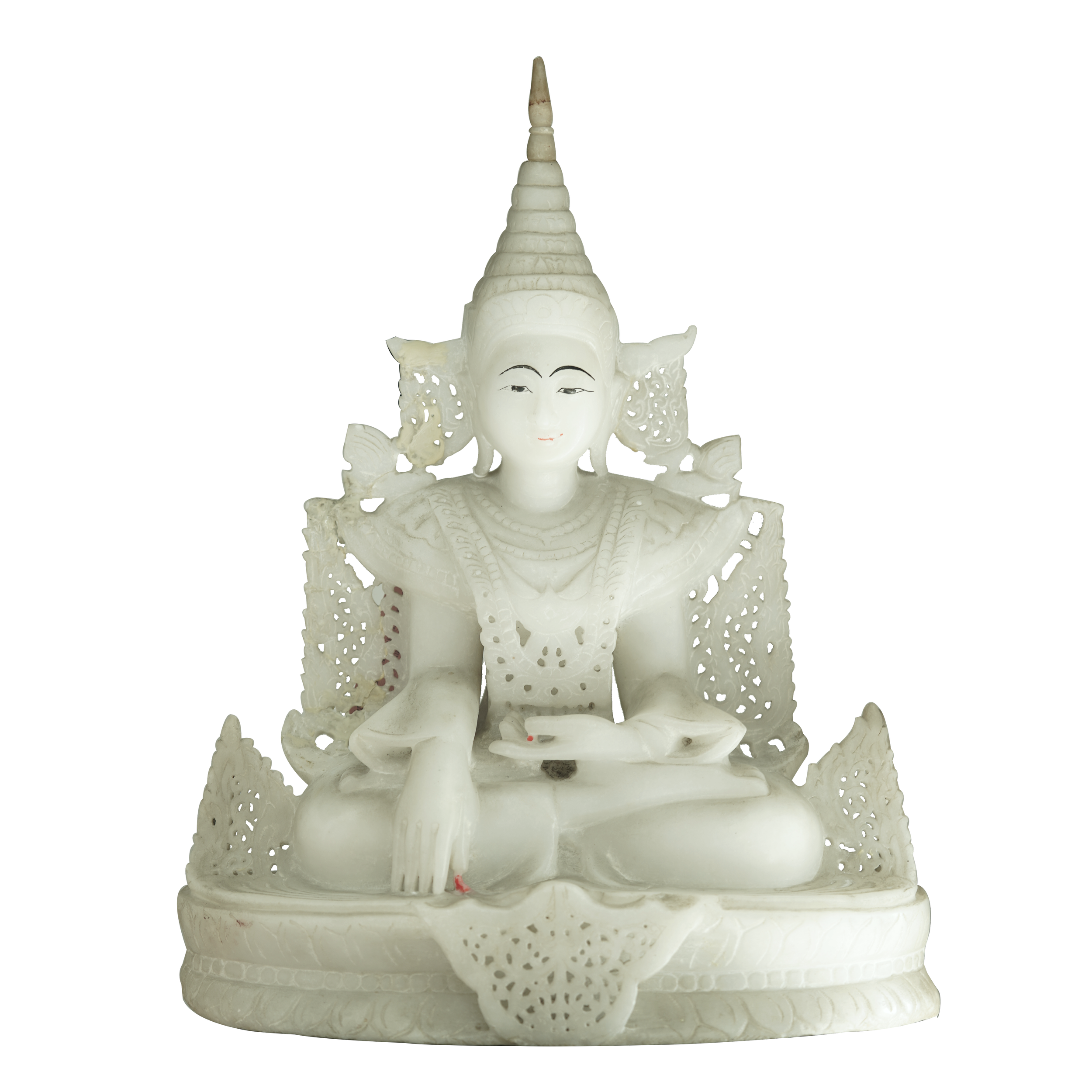
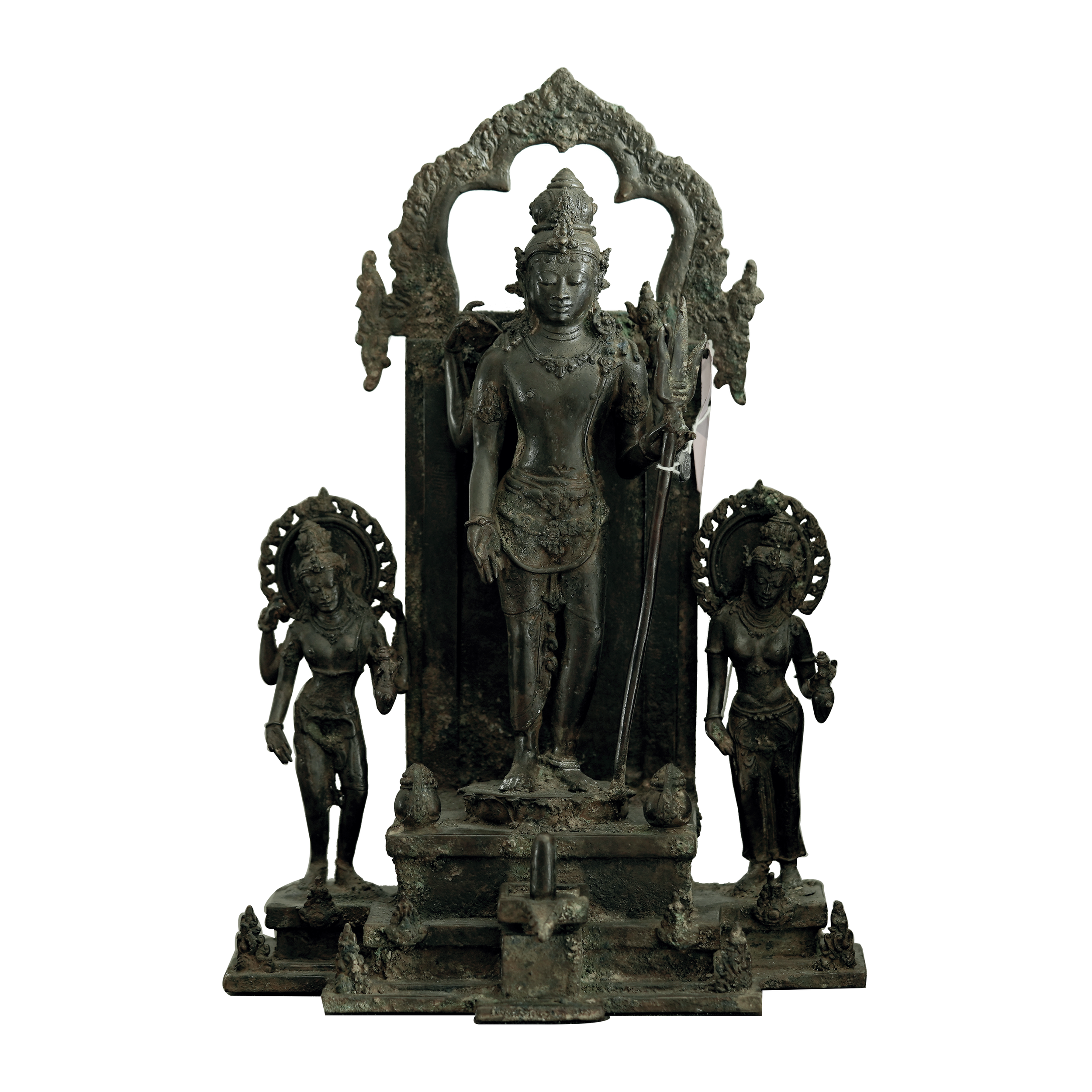
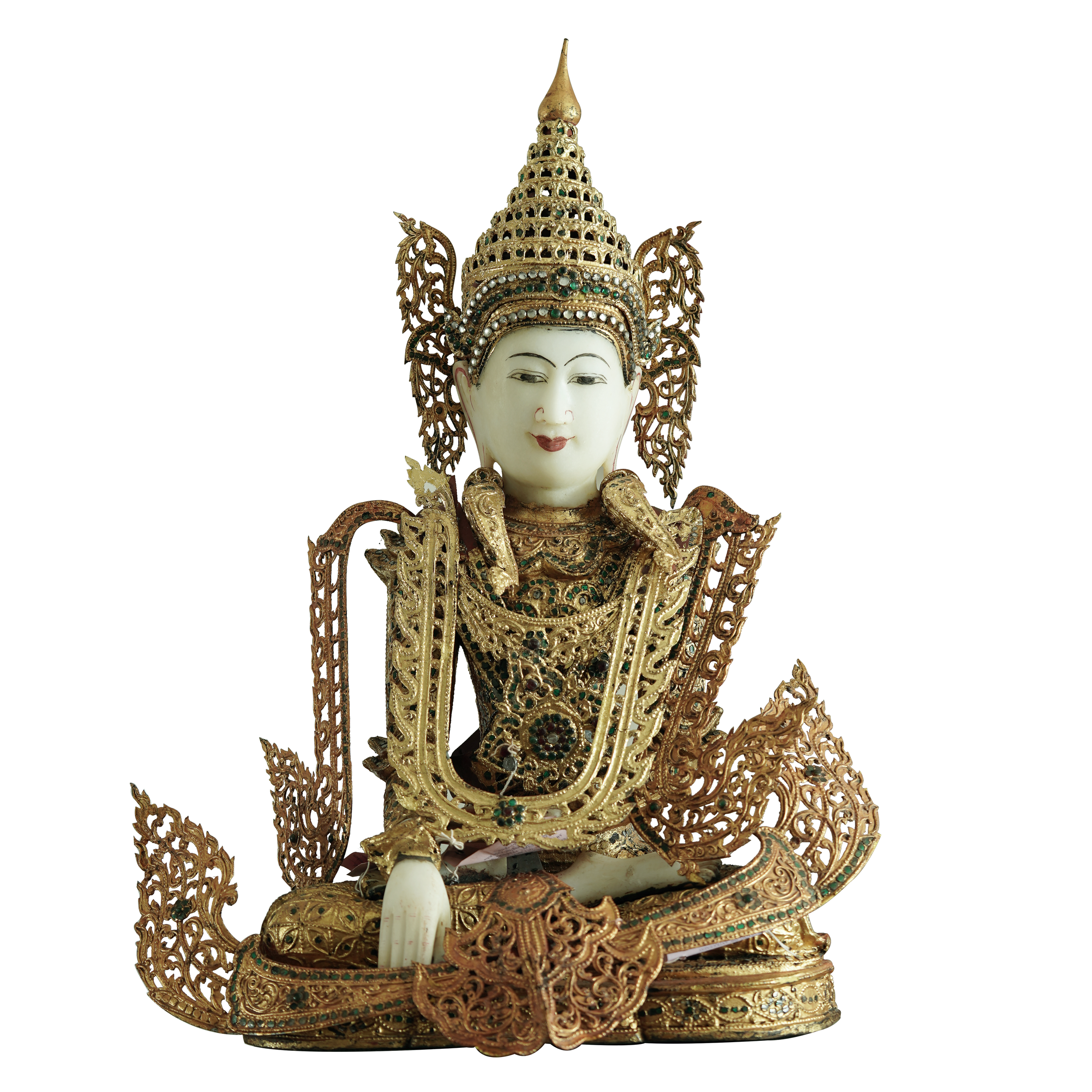
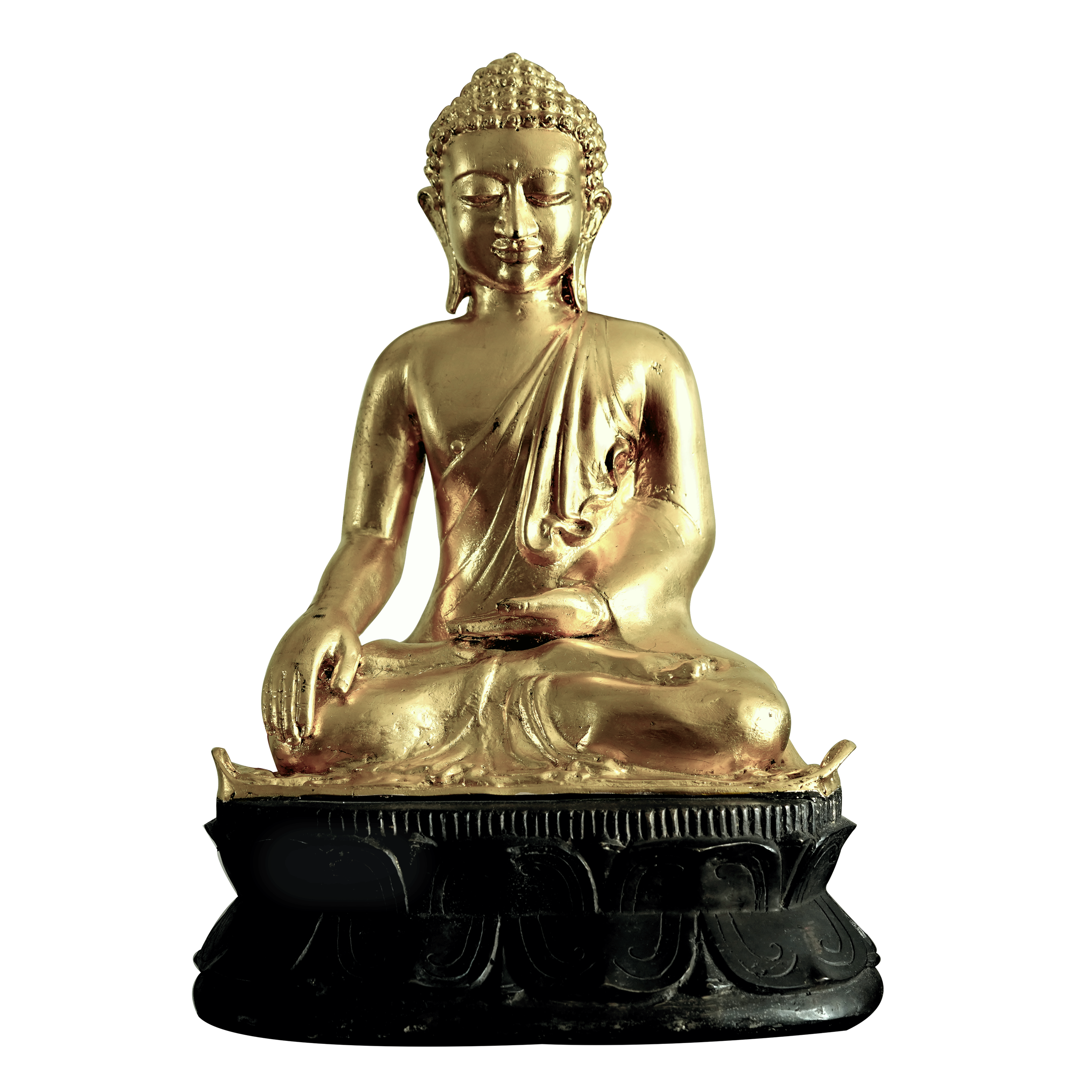

Buddha in Meditation with Torana
Dimensions: 44 × 20 cm
Nepal, Kathmandu Valley
Bronze with green patina, c. 12th–15th century
Casted bronze Buddha sitting serenely in meditation (dhyana mudra), framed by an elaborately decorated torana (archway). The figure rests on a double lotus pedestal, symbolizing spiritual purity. The hands are held in the gesture of teaching (vitarka mudra), a sign of wisdom and the transmission of the Dharma.
Nepalese bronzes from the Kathmandu Valley are renowned for their exquisite craftsmanship and synthesis of Pala Indian influences with the distinctive artistry of the Newar sculptors. Such devotional icons were used in both monastic and household shrines, embodying the intimate devotion of Himalayan Buddhism.
The protective torana, with its intricate floral and divine motifs, reflects the Nepalese tradition of blending architecture and sculpture into a single sacred image. Bronze figures like this not only served as focus points for meditation but also traveled across the Himalayas, profoundly influencing Tibetan Buddhist art.