


Diego GIACOMETTI
Diego Giacometti (1902-1985), younger brother of Alberto, was a sculptor and designer known for his poetic bronze furniture and decorative objects. After years assisting his brother, he developed his own style, creating tables, chairs, and lamps adorned with animals, branches, and playful natural forms. His work combines simplicity and fantasy, making him a key figure in 20th-century decorative arts.
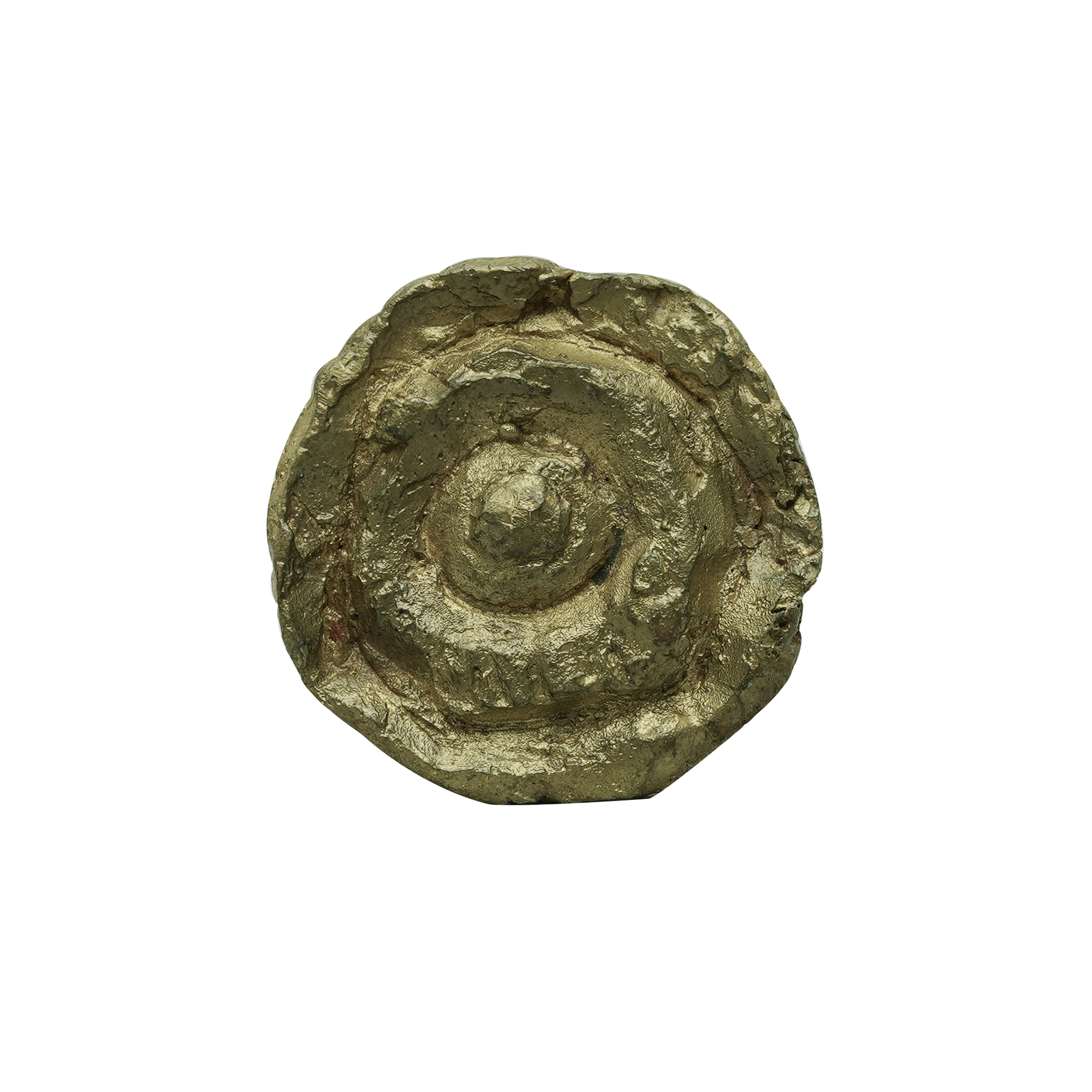
Diego Giacometti (1902–1985)
Door Handle, Bronze
Dimensions: 6 × 5 cm
Sculptural door handle exemplifying Diego Giacometti’s distinctive approach to functional art. Cast in bronze with a textured, organic surface, the piece transforms a utilitarian object into a tactile artwork. The design, reminiscent of ancient artifacts and natural forms, reflects Giacometti’s ability to merge simplicity with poetic expression. Its irregular, hand-worked finish underscores the artisanal quality that made his creations both intimate and timeless.
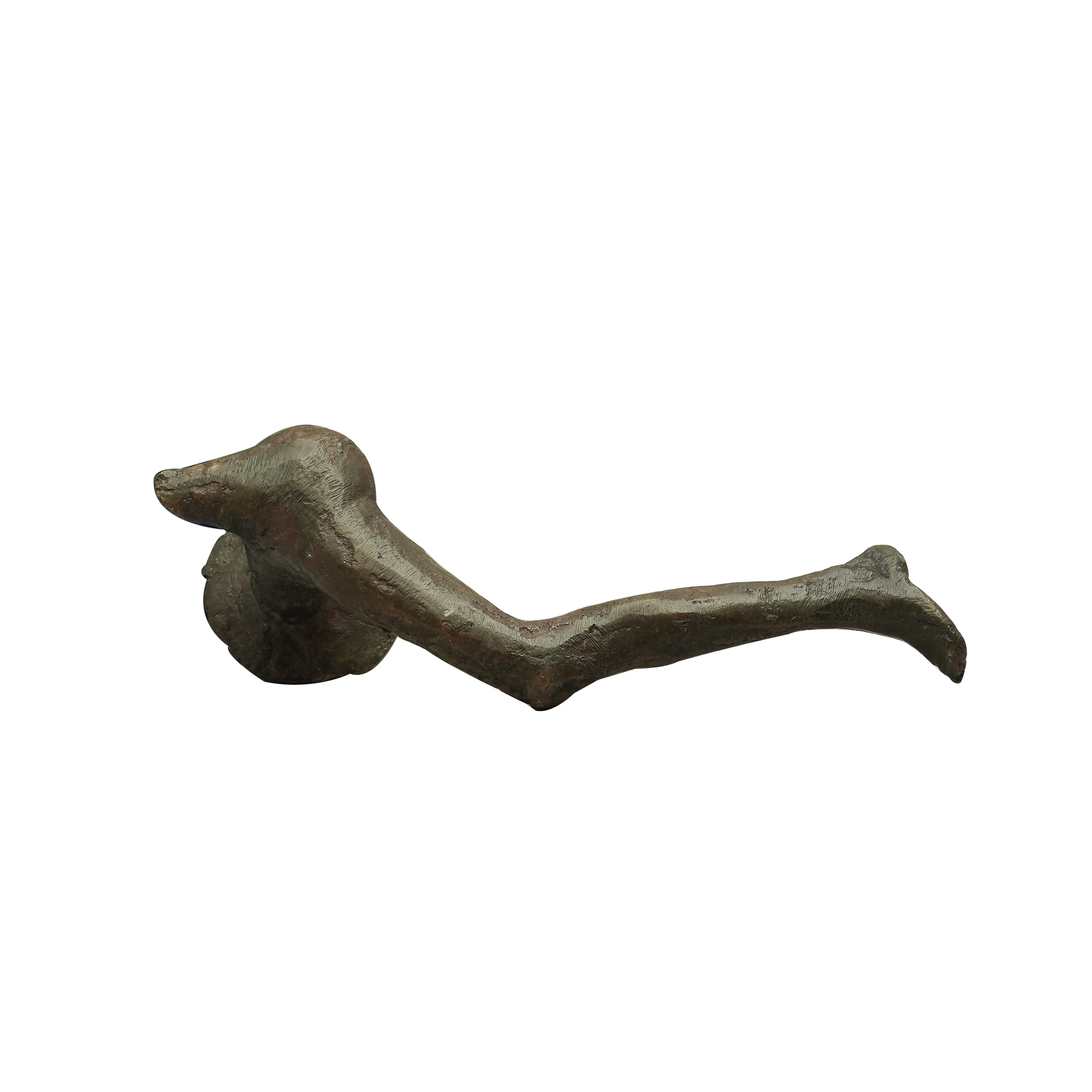
Diego Giacometti (1902–1985)
Door Handle in the Form of a Reclining Figure
Bronze, patinated, c. 1960s–1980s
Dimensions: 3 × 12 cm
This bronze door handle shows Diego Giacometti’s gift for turning everyday objects into works of art. The reclining figure, both abstract and playful, reflects his signature blend of utility and poetry. Known for his furniture and decorative pieces, Giacometti infused even the smallest designs with elegance and imagination.
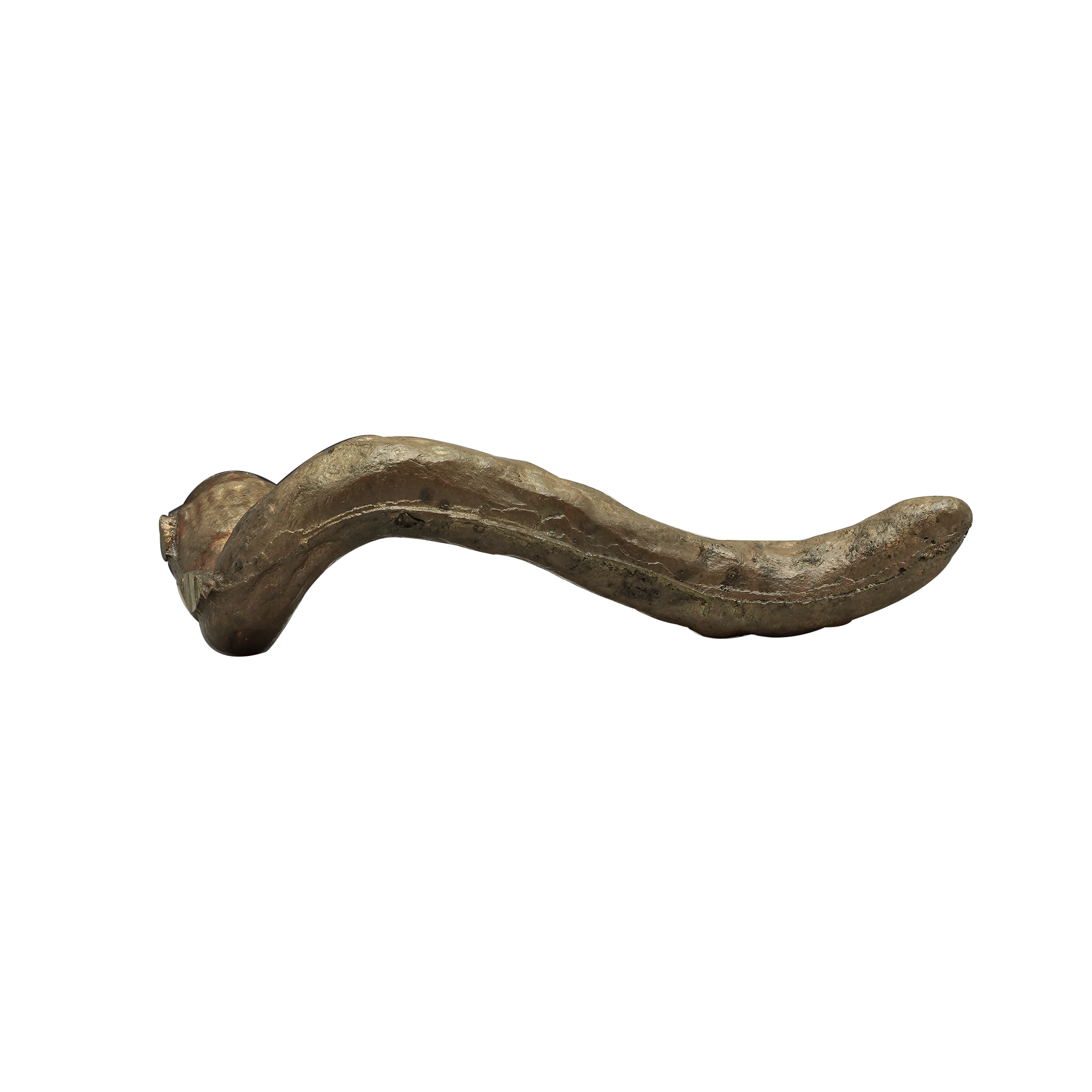
Door Handle by Diego Giacometti
Bronze, mid-20th century
Dimensions: 12 × 4 cm
Bronze door handle, designed by Diego Giacometti, exemplifies his ability to transform everyday objects into sculptural works of art. With its organic, sinuous form, the handle blurs the line between functionality and artistry, echoing natural shapes while remaining tactile and practical. Giacometti’s distinct textured surfaces give the piece a handmade, almost primitive quality, reflecting his philosophy that beauty lies in simplicity and imperfection.
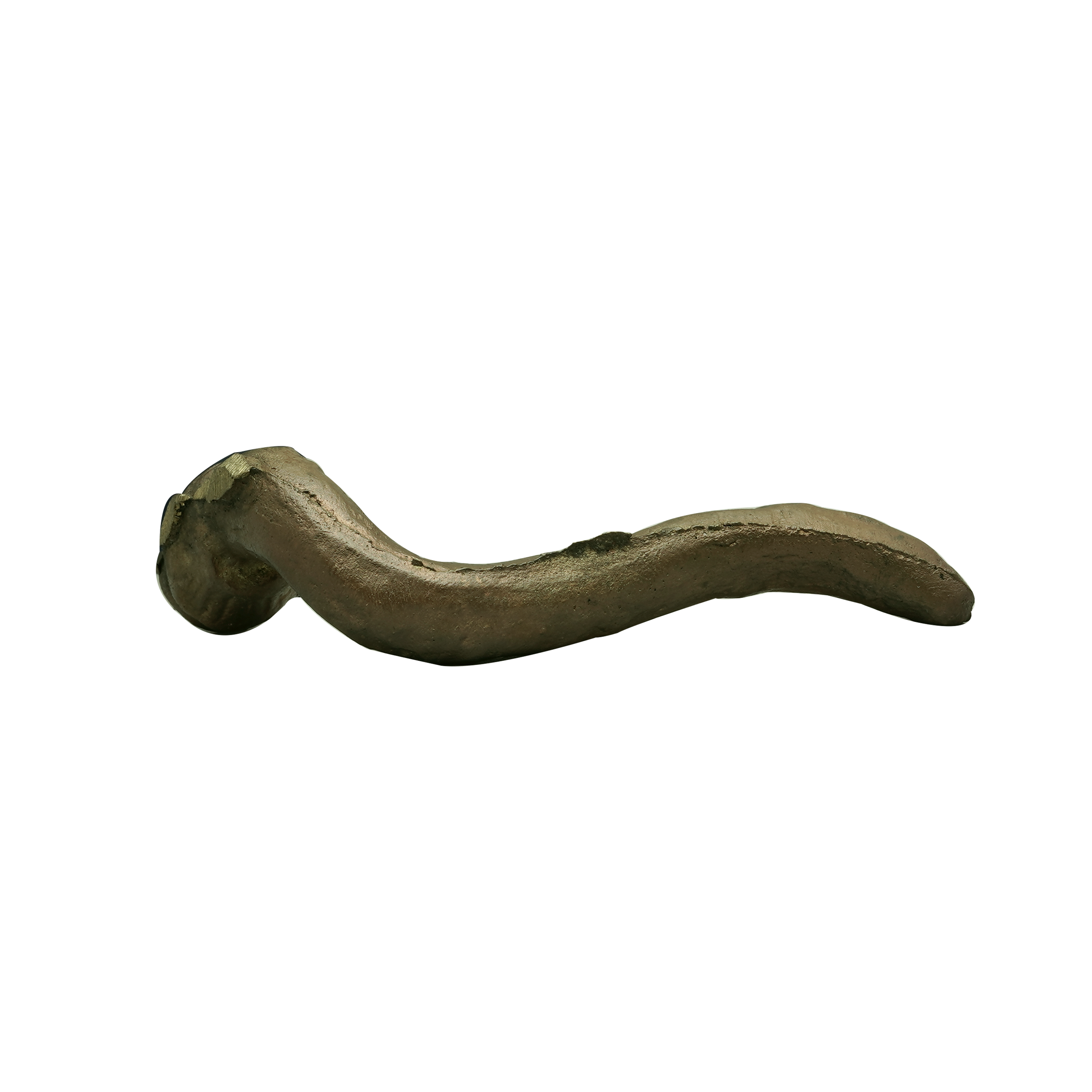
Door Handle
Diego Giacometti (1902–1985)
Bronze
Dimensions: 12 × 4 cm
This door handle by Diego Giacometti demonstrates his organic and tactile approach to design. Shaped with subtle irregularity, its gently undulating form evokes natural motifs—such as branches or animal silhouettes—while remaining functional as an everyday object. The hand-finished surface bears the artist’s signature texture, a hallmark of his work that blends sculpture with utility. Giacometti’s creations transformed simple furnishings into poetic works of art, merging craftsmanship with imagination.
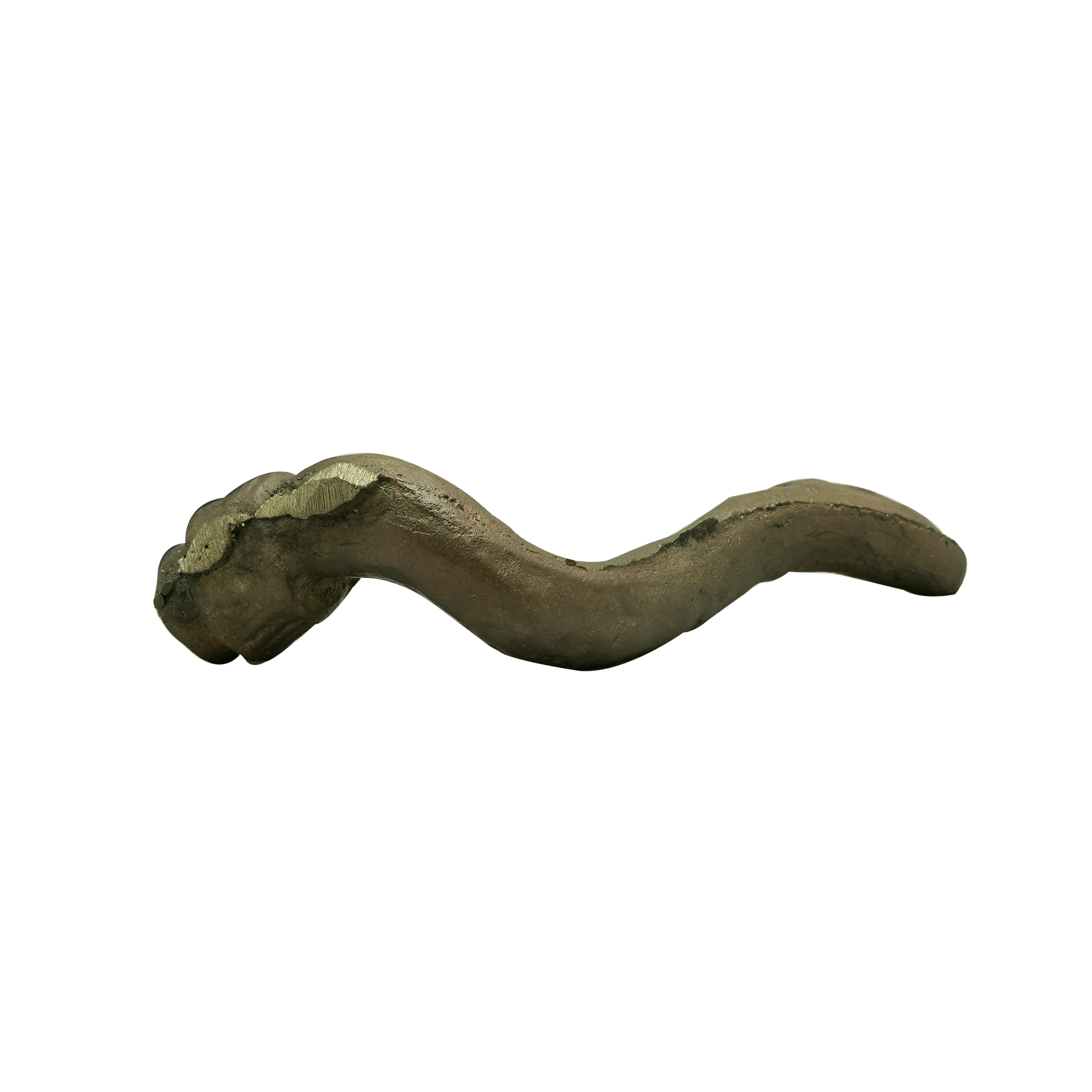
Door Handle by Diego Giacometti
Bronze, mid-20th century
Dimensions: 12 × 4 cm
This sculptural bronze door handle by Diego Giacometti exemplifies his organic and tactile approach to functional design. The handle, with its fluid, undulating form, suggests a natural branch or creature in motion, blurring the boundary between utility and art. Giacometti’s rough-textured surface treatment enhances its hand-crafted character, inviting touch while emphasizing the artist’s signature style rooted in nature and simplicity.







UNKNOWN ARTIST
Circa 1800-1820
Original Item: One of a Kind. Here we have a wonderful original bronze lantaka swivel cannon barrel, dating to about 1800-1820. While these were used throughout South East Asia, this style is from the “East Indies”, more properly known as South Eastern Asia. These were used only at close quarters, used to fire lead balls, stones and other debris while mounted on boats and other ocean going craft during the age of Sailing.
The cannon is very heavy, weighing in at 33lbs, a good sign as later copies are much lighter and sometimes are filled internally with foam to be sold as fakes.
Totally authentic but not too big to display in home or office.
Dimensions:
Lantaka or rentaka was a type of bronze portable cannon or swivel gun, sometimes mounted on merchant vessels and warships in Maritime Southeast Asia. It was commonly equipped by native seafaring vessels from Indonesia, Philippines, Brunei, and Malaysia. Lela and rentaka are known by the Malays as meriam kecil (lit. "small cannon"), the difference is that rentaka is smaller in length and bore than a lela.